
The Importance of Proper Installation in Commercial Roofing
Are you curious about commercial roofing? Look no further! Our comprehensive guide covers everything you need to know about this crucial aspect of property management. Whether you’re a business owner, property manager, or simply interested in the topic, we’ve got you covered. From exploring different types of roofing materials to understanding installation processes, maintenance tips, and common problems, we provide all the essential information to help you make informed decisions about commercial roofing. Whether you’re considering a new roof for your property or seeking to maintain your current one, this guide will equip you with the knowledge and insights you need. Let’s dive in!
Importance of Commercial Roofing
The importance of commercial roofing cannot be overstated, as it serves as the first line of defense against the elements for commercial buildings. A well-maintained roof protects the interior of the building from water damage, mold, and other structural issues that can arise from leaks or inadequate insulation. Additionally, a properly installed and maintained commercial roof can enhance energy efficiency, reduce heating and cooling costs, and contribute to a comfortable indoor environment for occupants. Investing in quality commercial roofing is not only essential for protecting your property but also for ensuring the safety and comfort of those inside.
Types of Commercial Roofing Materials
There is a wide array of commercial roofing materials available, each with its own unique characteristics, advantages, and considerations. Understanding the various types of commercial roofing materials is essential for property owners and managers when selecting the best option for their specific needs. Some of the most common types of commercial roofing materials include:
- Built-up Roofing (BUR): Built-up roofing consists of multiple layers of asphalt-impregnated felts or fabrics, alternating with layers of bitumen (asphalt or coal tar) and finished with a top layer of gravel or mineral granules. BUR roofing systems offer excellent durability, waterproofing, and fire resistance, making them well-suited for low-slope or flat roofs.
- Single-Ply Membranes: Single-ply membranes are thin, flexible sheets of synthetic materials that are installed in a single layer on the roof surface. The most common types of single-ply membranes include Thermoplastic Olefin (TPO), Ethylene Propylene Diene Terpolymer (EPDM), and Polyvinyl Chloride (PVC). Single-ply membranes offer lightweight, cost-effective roofing solutions with excellent flexibility, UV resistance, and ease of installation.
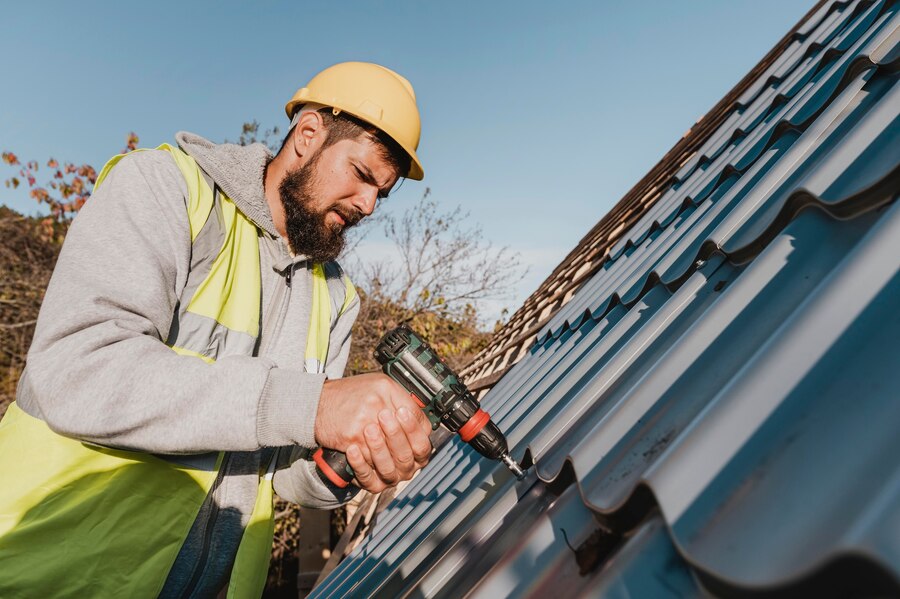
- Metal Roofing: Metal roofing systems are composed of panels or sheets made from steel, aluminum, copper, or other metals. Metal roofs are highly durable, long-lasting, and resistant to fire, wind, and pests. They come in various styles and finishes, including standing seam, corrugated, and metal shingles, offering versatility and aesthetic appeal.
- Asphalt Shingles: Asphalt shingles are one of the most popular roofing materials for both residential and commercial applications. They are composed of fiberglass or organic matting impregnated with asphalt and coated with mineral granules for durability and weather resistance. Asphalt shingles are cost-effective, easy to install, and available in a wide range of colors and styles.
- Modified Bitumen: Modified bitumen roofing systems are composed of asphalt-based membranes reinforced with polyester or fiberglass mats and modified with rubber or plastic modifiers for added flexibility and durability. Modified bitumen roofs offer excellent weather resistance, UV protection, and ease of installation, making them suitable for low-slope or flat roofs.
- Spray Polyurethane Foam (SPF): SPF roofing involves spraying a mixture of polyurethane foam onto the roof substrate, which expands to form a seamless, waterproof membrane. SPF roofing systems offer excellent insulation, waterproofing, and energy efficiency, making them ideal for flat or low-slope roofs.
- Green Roofing: Green roofing systems involve the installation of vegetation, plants, or gardens on the roof surface, creating a living, eco-friendly environment. Green roofs provide numerous benefits, including improved insulation, stormwater management, air quality, and biodiversity, while also extending the lifespan of the roof membrane.
Commercial Roofing Installation Processes
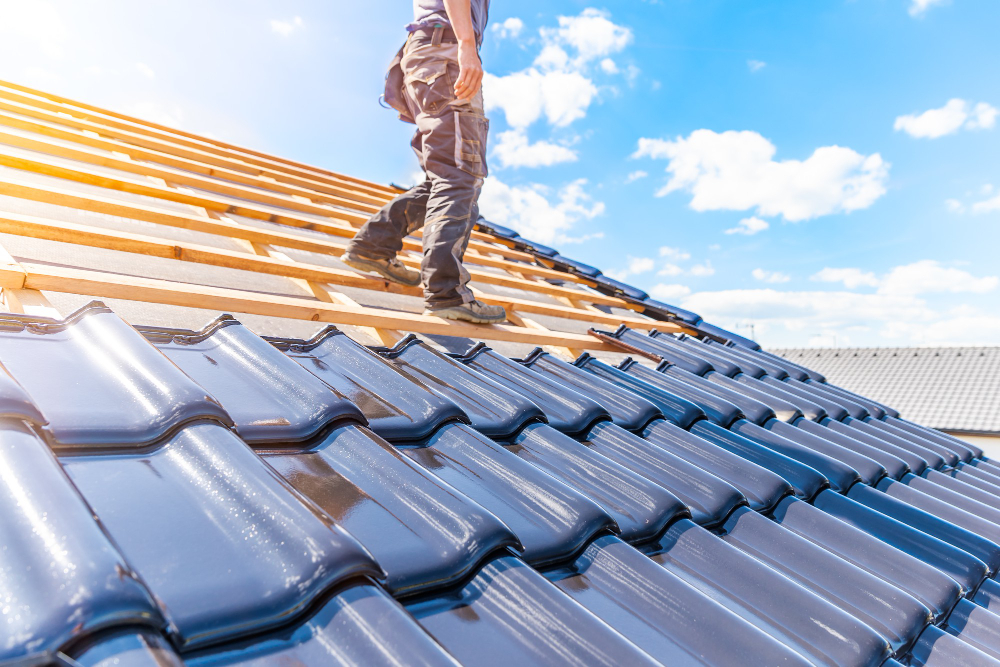
Commercial roofing installation processes involve several key steps to ensure the successful completion of the project and the long-term performance of the roof. Here’s an overview of the typical installation process for commercial roofing:
- Roof Inspection and Assessment: The installation process begins with a thorough inspection of the existing roof to assess its condition, identify any structural issues or damage, and determine the best approach for installation. This includes evaluating the roof substrate, identifying potential drainage problems, and assessing any existing roofing materials that may need to be removed or replaced.
- Preparation of the Roof Surface: Once the assessment is complete, the roof surface is prepared for installation. This may involve cleaning the surface to remove debris, dirt, and other contaminants that could affect adhesion, as well as repairing any damaged or deteriorated areas of the substrate. Proper preparation is essential for ensuring a smooth and durable roofing installation.
- Installation of Roofing Materials: The next step is the installation of the chosen roofing materials according to the manufacturer’s specifications and industry best practices. This may include laying down underlayment, applying adhesive or fasteners, and installing roofing membranes, shingles, or panels as required. Special attention is paid to ensuring proper alignment, coverage, and weatherproofing to prevent leaks and water infiltration.
- Flashing and Edge Details: Flashing and edge details are critical components of the roofing system that help to prevent water penetration at vulnerable areas such as roof penetrations, transitions, and edges. Flashing materials, such as metal or membrane strips, are installed around vents, pipes, skylights, and other penetrations to create watertight seals. Additionally, edge details, such as drip edges and coping caps, are installed along the perimeter of the roof to provide added protection and ensure a clean, finished appearance.
- Cleanup and Site Protection: After the installation is complete and the final inspection is passed, the job site is cleaned up and all debris, tools, and equipment are removed from the premises. Any protective measures, such as temporary barriers or coverings, are also removed, and the surrounding area is restored to its original condition.
Factors to Consider When Choosing a Roofing Material
When choosing a roofing material for a commercial building, several factors should be taken into account to ensure the best fit for the property’s needs and requirements. Considerations include the climate and weather conditions in the area, the slope and design of the roof, the building’s usage and occupancy, budget constraints, and desired aesthetic preferences. Additionally, factors such as maintenance requirements, energy efficiency, and environmental impact should also be considered when selecting a roofing material. By carefully evaluating these factors, property owners can make informed decisions that result in a durable, long-lasting roof that meets their specific needs.
Cost Considerations for Commercial Roofing
The cost of commercial roofing varies depending on several factors, including the type of material chosen, the size and complexity of the roof, labor costs, and any additional features or requirements. While some roofing materials may have a higher upfront cost, they may offer greater durability and longevity, resulting in lower long-term maintenance and replacement costs. Property owners should consider the total cost of ownership over the lifespan of the roof, rather than focusing solely on initial installation expenses. Additionally, financing options, warranties, and insurance considerations should also be taken into account when budgeting for commercial roofing projects.
Maintenance Tips for Commercial Roofs
Maintaining commercial roofs is essential for preserving their integrity, prolonging their lifespan, and preventing costly repairs. Here are five maintenance tips to keep commercial roofs in optimal condition:
- Regular Inspections: Regularly inspect the roof surface twice a year for signs of damage, wear, or deterioration, including leaks, cracks, punctures, blistering, and damage to flashing, seams, and drainage systems.
- Clean Gutters and Drains: Regularly clean gutters, drains, and roof surfaces to prevent debris buildup, water damage, and moisture-related issues, ensuring proper drainage and structural integrity.
- Address Repairs Promptly: Ensure minor issues are promptly addressed during inspections, including leaks, punctures, and tears, by hiring qualified professionals and adhering to industry standards and manufacturer specifications.
- Maintain Roofing Accessories: Regularly inspect and replace roofing accessories like flashing, seals, vents, and skylights for leaks and water intrusion, especially around penetrations and transitions, to maintain system integrity.
- Schedule Professional Maintenance: Schedule annual professional roof maintenance with qualified contractors to extend roof lifespan, identify potential issues early, and optimize performance. This includes sealing seams, repairing flashing, and applying protective coatings.
Roofing Inspections and Maintenance Schedules
Regular inspections and maintenance are critical for ensuring the long-term performance and durability of commercial roofs. Property owners should establish a regular inspection schedule, typically on an annual or semi-annual basis, to identify any signs of damage, wear, or deterioration. Inspections should be conducted by qualified roofing professionals who can assess the condition of the roof, identify any issues, and recommend appropriate repairs or maintenance actions. Additionally, property owners should implement a proactive maintenance plan that includes routine tasks such as cleaning, sealing, and repairing as needed to prevent minor issues from escalating into larger problems.
Hiring the Right Roofing Contractor
Selecting the right roofing contractor is a crucial decision that can significantly impact the success and longevity of your commercial roof. It’s essential to choose a contractor with a proven track record of excellence, extensive experience in commercial roofing projects, and the necessary licenses and certifications. Additionally, consider factors such as reputation, reliability, communication skills, and adherence to safety protocols when evaluating potential contractors. Requesting references and reviewing past projects can provide valuable insights into a contractor’s capabilities and reliability. By investing time and effort into selecting the right contractor, you can ensure a smooth and successful roofing project from start to finish.
In conclusion, maintaining your commercial roof is crucial for ensuring the long-term integrity and performance of your building. By following the maintenance tips outlined above, you can protect your investment, prevent costly repairs, and maintain a safe and functional environment for your occupants. Remember to schedule regular inspections, address repairs promptly, and invest in professional maintenance to keep your roof in optimal condition. If you have any questions or need assistance with your commercial roofing needs, don’t hesitate to contact us. Our team of experts is here to help you with all your roofing needs.